THE ZINSIDE SCOOP
Welcome to The ZINside Scoop,
your monthly newsletter about all things Zinfandel.
The Vineyard Report
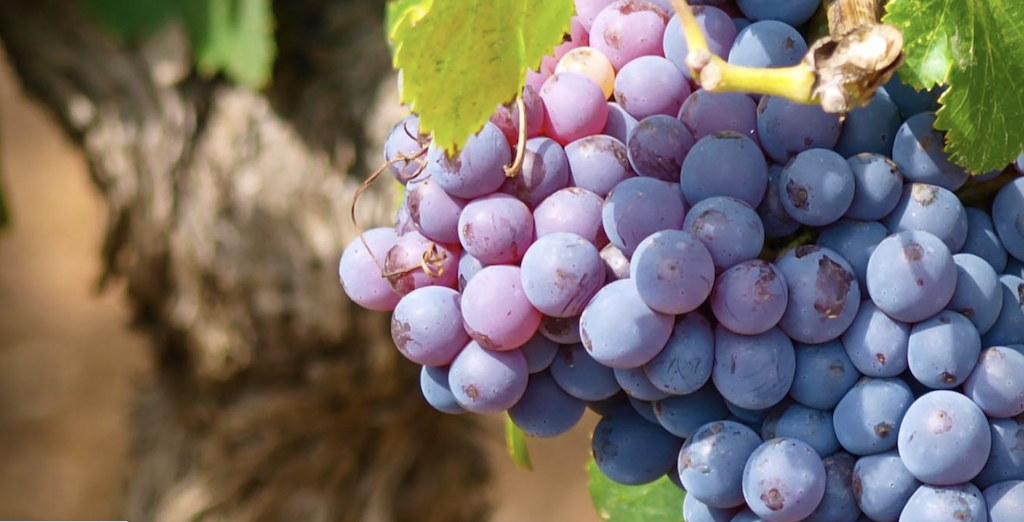
And just like that, Harvest 2026 has begun to wind down for many California Zinfandel growers! It seems to end as quickly as it starts, but not without countless hours of work from vineyard crews, cellar teams, winemakers, growers, and everyone else who makes harvest happen!
So, what is happening in the vineyard now that the fruit is making its way into the winery?
For many Zinfandel vineyards, the final clusters are being picked from the vine and making their way to the crush pad. Once there, the winemaker’s choices are set into motion. The grapes may be gently crushed to break the skins and release the juice, and the stems may be removed, depending on the winemaker’s approach. The berries can also be left intact, to be crushed by their own weight once in tank. The fruit, now a mixture of juice, skins, seeds, and sometimes stems, is then transferred into fermentation vessels, where the natural sugars will begin their transformation into alcohol and, eventually, wine.
But harvest doesn’t mean the work in the vineyard is finished. Immediately after the last grapes are picked, the Zinfandel vines begin preparing for dormancy. Leaves remain incredibly important during this period, continuing to photosynthesize and send energy down into the vine’s permanent wood and roots, where those reserves will help fuel next year’s growth. Growers will continue monitoring the vines and soil, with vineyard work gradually shifting from harvest to post-harvest care.
Over the coming weeks, as the days grow shorter and temperatures begin to cool, the vines will naturally slow down. Eventually, the leaves will change color and fall, signaling the beginning of winter dormancy. It is a brief but stunning time in the vineyard; be sure to check out the views of the fall foliage while you can!
Region Spotlight: Mendocino
Mendocino County is one of California’s more distinctive and historic Zinfandel-growing regions, known for its rugged landscape, diverse microclimates, and long history of old-vine vineyards. Warm, sunny days help Zinfandel reach full ripeness, while cool nights, influenced by nearby coastal air, help preserve acidity and freshness. The region’s combination of climate, elevation, and varied soils can produce Zinfandels that are rich and fruit-forward while still showing structure, spice, and bright acidity. Many of Mendocino’s vineyards also feature old, head-trained vines, some planted more than a century ago, giving the region a strong connection to California’s early Zinfandel heritage.
A glass of Mendocino Zinfandel is typically deep ruby to garnet in color, with aromas of ripe blackberry, dark cherry, raspberry, cracked black pepper, and warm baking spices. On the palate, it is rich and full-bodied, offering layers of blackberry, plum, and dark fruit alongside notes of cocoa, licorice, and dried herbs. Bright acidity and structured, velvety tannins provide balance, reflecting the region’s warm days and cool nights.
Visit Zinfandel.org for ZAP member wineries in Mendocino!
- Seawolf Wines
Did you know…
Zinfandel is a year-round pairing, but these delicious Fall pairings are especially cozy and delicious.